

How to Choose the Right Tile Cutter for Your Tiling Project

A manual score-and-snap tile cutter is the best choice for straight cuts on standard ceramic and porcelain wall and floor tiles. An electric wet tile saw is the right choice for cutting thick porcelain, natural stone, large format tiles and tiles that need L-shaped, diagonal or hole cuts. An angle grinder with a diamond blade handles small curved cuts and notches that neither a manual cutter nor a wet saw can reach.
KEY TAKEAWAYS
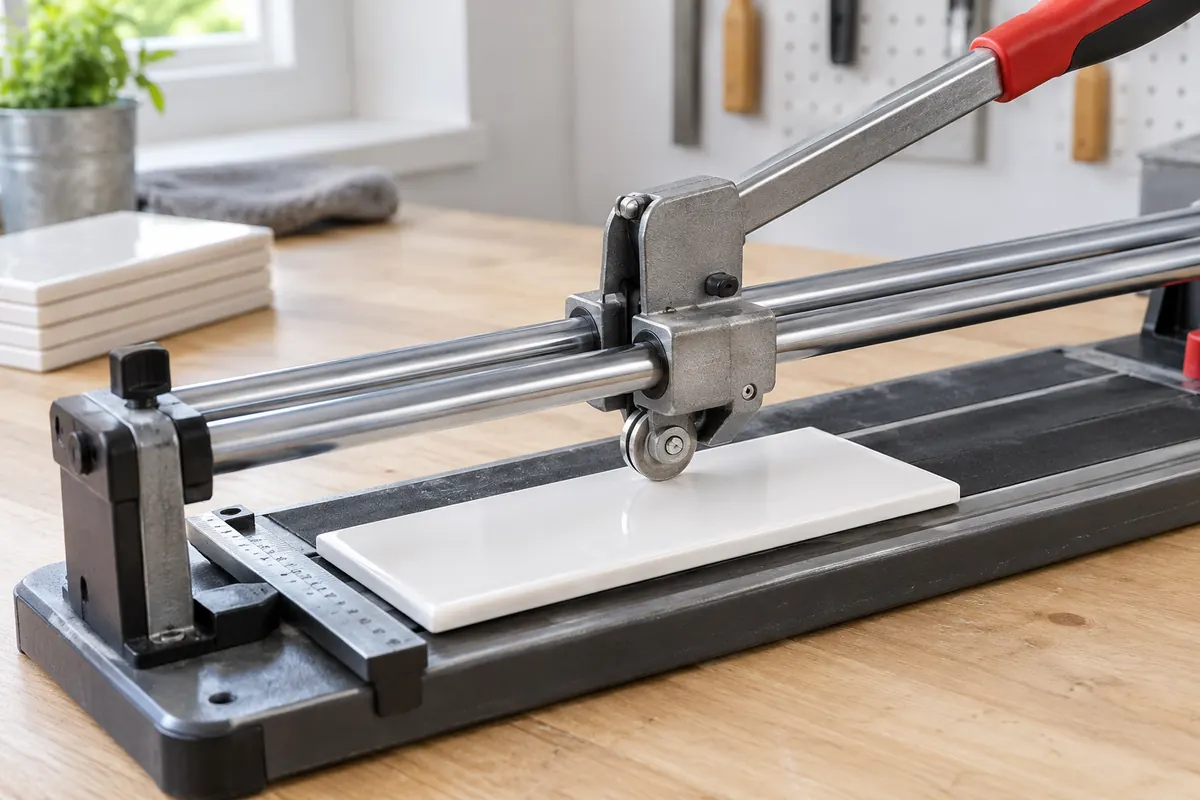
- Manual score-and-snap tile cutters are the fastest tool for straight cuts on ceramic and standard porcelain tiles up to 10 to 12 mm thick.
- Electric wet tile saws use a diamond blade with water cooling to cut thick porcelain, natural stone, mosaic sheets and large format tiles with clean, chip-free edges.
- An angle grinder with a continuous rim diamond blade handles curved cuts, notches, L-shapes and small hole cutouts that other tile cutters cannot make.
- Tile hardness determines which cutter you need. Soft ceramic tiles cut easily with a manual cutter. Hard porcelain and stone require a wet saw or grinder.
- Cutting capacity (maximum tile length) matters. Manual cutters range from 400 mm to 900 mm+. Wet tile saws range from 600 mm to 1200 mm+.
- Always wear safety glasses, hearing protection (for wet saws and grinders) and a dust mask when cutting tiles. Wet cutting reduces airborne silica dust.
This guide compares the three main types of tile cutters and explains which one suits each tiling job. Browse the tile cutter range at GPT Tools to see current models.
What Is a Tile Cutter?
A tile cutter is a tool designed to cut ceramic, porcelain, natural stone and other tile materials to the required size and shape for installation. Tile cutters range from simple manual score-and-snap devices to electric wet tile saws with diamond blades and water cooling systems.
The three main types used in Australian tiling are manual rail cutters (score and snap), electric wet tile saws and angle grinders with diamond blades. GPT Tools stocks tile cutters and tiling tools for professional tilers and DIY renovators.
Manual vs Electric Tile Cutters at a Glance
| MANUAL TILE CUTTER ✓ Score-and-snap mechanism, no power needed ✓ Fastest tool for straight cuts ✓ Suits ceramic and standard porcelain tiles ✓ No water, no dust, no noise ✓ Portable and lightweight (3 to 10 kg) ✓ Cutting length: 400 mm to 900 mm+ | ELECTRIC WET TILE SAW ✓ Diamond blade with water cooling ✓ Cuts thick porcelain, stone and large format tiles ✓ Handles diagonal, L-shaped and mitre cuts ✓ Clean, chip-free edges on hard materials ✓ Heavier (15 to 35 kg) with water tray ✓ Cutting length: 600 mm to 1200 mm+ |
Key Differences Between Tile Cutter Types
The main difference is the cutting method: a manual tile cutter scores and snaps the tile along a straight line, an electric wet tile saw cuts through the tile with a rotating diamond blade cooled by water, and an angle grinder cuts freehand with a dry or wet diamond blade.
| Feature | Manual Tile Cutter | Electric Wet Tile Saw | Angle Grinder |
|---|---|---|---|
| Cutting method | Score and snap | Diamond blade + water | Diamond blade (dry or wet) |
| Power source | Manual (no power) | 240V electric motor | 240V electric motor |
| Cut types | Straight cuts only | Straight, diagonal, L-shape, mitre, plunge | Curved, notch, L-shape, hole cutouts |
| Best tile types | Ceramic, standard porcelain | Thick porcelain, natural stone, large format | All types (small cuts and trims) |
| Maximum thickness | 8 to 12 mm typical | 25 to 40 mm+ | Depends on blade diameter |
| Edge quality | Clean on soft tiles, may chip hard tiles | Clean chip-free edges with water cooling | Rougher edges, needs finishing |
| Dust | None | Minimal (water suppresses dust) | High. Dust mask essential (dry cutting) |
| Noise | Silent | Moderate | Loud. Hearing protection essential |
| Portability | Very portable, lightweight | Heavy, needs stable surface | Very portable, handheld |
| Price range (AUD) | $30 to $300 | $200 to $1,500+ | $45 to $300 |
Which Tile Cutter Suits Your Job?
A manual cutter handles most straight cuts on standard tiles. A wet tile saw handles everything a manual cutter cannot. An angle grinder handles curves and cutouts that neither a manual cutter nor a wet saw can reach. Here is how they compare across common tiling jobs.
Bathroom Wall Tiles (Ceramic)
Best choice: Manual tile cutter. Standard ceramic wall tiles (6 mm to 8 mm thick) score and snap cleanly on a manual rail cutter. For a typical bathroom renovation with subway tiles or square wall tiles, a manual cutter handles 90% of the straight cuts. Use an angle grinder for outlet holes, pipe cutouts and curved trims around fittings.
Floor Tiles (Porcelain)
Best choice: Electric wet tile saw for hard porcelain. Manual cutter for softer porcelain. Porcelain floor tiles vary in hardness. Softer glazed porcelain (PEI 3 or lower) scores and snaps well on a quality manual cutter. Fully vitrified, through-body or unglazed porcelain (PEI 4 to 5) is too hard to snap cleanly and requires a wet tile saw for chip-free cuts.
Large Format Tiles (600×600 mm and Above)
Best choice: Electric wet tile saw with sufficient cutting length. Large format tiles need a cutter or saw with a rail or blade length that exceeds the tile dimension. A 900 mm manual cutter handles tiles up to 900 mm. For 1200 mm tiles, you need a wet saw with a matching cutting capacity. Large format porcelain is often 10 mm+ thick and requires diamond blade cutting.
Natural Stone (Marble, Travertine, Slate)
Best choice: Electric wet tile saw. Natural stone is dense, brittle and varies in hardness across the surface. Score-and-snap cutters cannot handle the inconsistency. A wet tile saw with a continuous rim diamond blade produces the cleanest cuts on marble, travertine, slate, granite and limestone. Water cooling prevents heat fractures in brittle stone.
Mosaic Sheets and Small Tiles
Best choice: Angle grinder or tile nippers for individual pieces. Wet saw for sheet cuts. Mosaic sheets can be trimmed as a whole sheet using a wet tile saw. Individual mosaic pieces that need shaping are best handled with tile nippers or a small angle grinder with a diamond blade.
L-Shaped Cuts and Notches
Best choice: Combination of wet tile saw and angle grinder. L-shaped cuts around door frames, corners and skirting boards require two straight cuts meeting at a corner. A wet tile saw handles each straight leg of the L. For tight internal corners, finish with an angle grinder.
Understanding Tile Hardness and Cutting Difficulty
Tile hardness determines which cutter you need. The PEI (Porcelain Enamel Institute) rating measures surface wear resistance on a scale from 1 (lightest use) to 5 (heaviest commercial traffic). The Mohs hardness scale measures scratch resistance from 1 (softest) to 10 (hardest). Harder tiles require diamond blade cutting rather than score and snap.
| Tile Type | Hardness | Recommended Cutter |
|---|---|---|
| Ceramic wall tiles (glazed) | Soft to medium (Mohs 3 to 5) | Manual score-and-snap cutter |
| Ceramic floor tiles | Medium (Mohs 4 to 6) | Manual cutter or wet tile saw |
| Glazed porcelain | Medium to hard (Mohs 5 to 7) | Manual cutter (thin) or wet saw (thick) |
| Through-body porcelain | Hard (Mohs 7 to 8) | Electric wet tile saw |
| Natural stone (marble) | Medium (Mohs 3 to 5) | Electric wet tile saw |
| Natural stone (granite) | Hard (Mohs 6 to 7) | Electric wet tile saw |
| Natural stone (slate) | Medium to hard (Mohs 3 to 6) | Electric wet tile saw |
| Glass mosaic | Hard, brittle (Mohs 5 to 6) | Wet saw or tile nippers |
| 💡 If in doubt, use a wet tile saw. A wet tile saw with the right diamond blade cuts every tile type listed above. If you are tiling with a mix of materials or working with expensive tiles where chipped edges waste money, the wet saw is the safest choice. |
|---|
Choosing the Right Diamond Blade
The three main diamond blade types for tile cutting are continuous rim, segmented rim and turbo rim. Continuous rim blades produce the cleanest cuts on tile and are the standard choice for wet tile saws. Segmented blades cut faster but leave rougher edges. Turbo blades balance speed and finish quality.
| Blade Type | Edge | Best For |
|---|---|---|
| Continuous rim | Smooth, unbroken edge | Ceramic, porcelain, natural stone. Cleanest cut. |
| Segmented rim | Gaps between segments | Concrete, brick, masonry. Not recommended for tiles. |
| Turbo rim | Serrated continuous edge | General purpose. Acceptable on tiles if chip-free edges are not critical. |
GPT Tools stocks the OX Diamond Holesaw 10PC Kit for drilling circular holes in ceramic and porcelain tiles for plumbing, electrical and fixture cutouts.
Safety When Cutting Tiles
| Cutting tiles produces sharp edges, flying fragments, noise and dust. Dry cutting ceramic and porcelain tiles releases respirable crystalline silica (RCS), which is a serious health hazard with repeated exposure. Wet cutting significantly reduces airborne dust. Always wear safety glasses, hearing protection (for wet saws and grinders), cut-resistant gloves and a P2 dust mask or respirator when dry cutting. |
|---|
Safe Work Australia classifies respirable crystalline silica as a workplace hazard. If you are cutting tiles regularly in a professional setting, follow the current workplace exposure standards and use wet cutting methods wherever possible.
Which Tile Cutter Should You Buy?
Choose a manual tile cutter for straight cuts on ceramic and standard porcelain. Choose an electric wet tile saw for thick porcelain, natural stone, large format tiles and complex cuts. Add an angle grinder for curves, notches and pipe cutouts.
| For most renovation projects, a manual cutter plus an angle grinder covers the majority of cuts. For professional tiling with hard porcelain or natural stone, a wet tile saw is essential. If you are working with a mix of tile types and cut shapes, all three tools together give you full coverage. |
|---|
Before buying, check the maximum cutting length matches your largest tile size and confirm the blade or scoring wheel is rated for the tile material you are working with.
Buy Your Tile Cutter at GPT Tools
GPT Tools has been supplying tools and equipment to Australian customers since 2002. Visit the Campbellfield store to inspect tile cutters and tiling tools in person, or shop online with Australia-wide delivery.
Frequently Asked Questions
A manual tile cutter handles straight cuts on ceramic and standard porcelain tiles. An electric wet tile saw handles thick porcelain, natural stone, large format tiles and complex cut shapes. For a simple bathroom renovation with ceramic wall tiles, a manual cutter is sufficient. For floor tiling with hard porcelain, a wet saw is essential.
Yes. An angle grinder with a continuous rim diamond blade cuts ceramic, porcelain and natural stone tiles. It is the best tool for curved cuts, notches, L-shapes and cutouts around pipes and fittings. Use a dust mask and safety glasses because angle grinder cutting produces significant dust and debris.
A wet tile saw uses a spinning diamond blade cooled by a continuous water stream. The water reduces dust, prevents blade overheating and produces cleaner edges. A dry tile cutter (manual score-and-snap) uses a scoring wheel and mechanical pressure to break the tile along a scored line. No water is needed.
Softer glazed porcelain tiles (up to approximately 10 mm thick) can be scored and snapped on a quality manual cutter with a sharp tungsten carbide scoring wheel. Hard through-body or unglazed porcelain tiles are too dense to snap cleanly and require a wet tile saw with a diamond blade.
A continuous rim diamond blade is the best choice for cutting porcelain tiles. Continuous rim blades produce the smoothest, chip-free edges on hard tile materials. Avoid segmented blades as the gaps between segments can chip the tile face.
Use a diamond holesaw or core bit attached to a drill for circular holes. For irregular shapes, drill a series of small holes around the outline with a tile drill bit, then use an angle grinder or tile nippers to remove the centre and smooth the edge.
Yes. Wet cutting significantly reduces respirable crystalline silica (RCS) dust, which is a serious health hazard with repeated exposure. Safe Work Australia classifies RCS as a workplace hazard. Wet cutting also extends diamond blade life by reducing heat buildup.
Tile Cutters and Tiling Equipment at GPT Tools
-
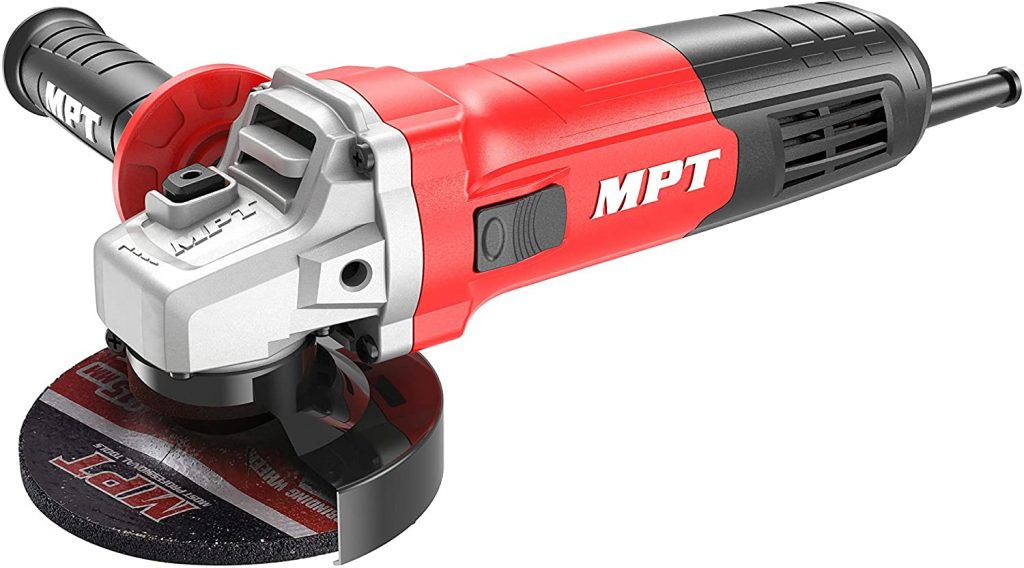
GPT Angle Grinder Power Tools – 4″ 7.6Amp, 11000RPM, M14 Output Shaft Electric Hand Grinder with 2-Position Handle For Metal Grinding and Cutting
Original price was: $99.00.$45.00Current price is: $45.00. Inc. GST -
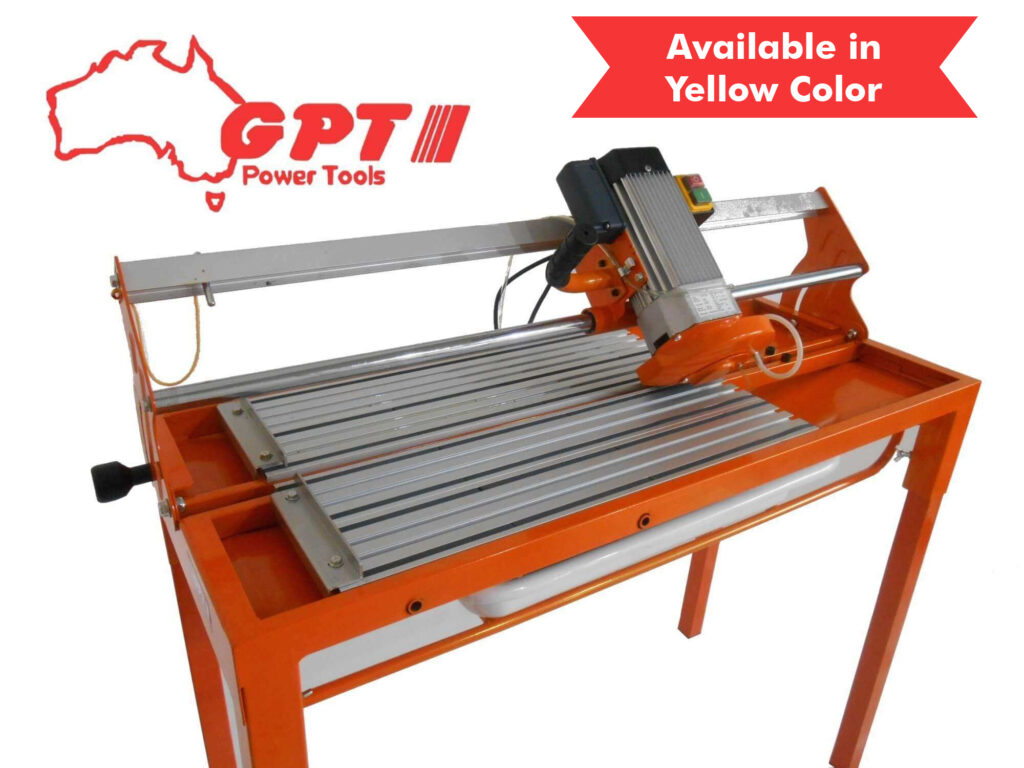
GPT Electric Wet/Dry Tile Cutter – 1250W (1.6HP) | 900mm
Original price was: $750.00.$490.00Current price is: $490.00. Inc. GST -
ELECTRIC WET/DRY (1250W ) – (1.6HP )TILE SAW TILE CUTTER MACHINE (900mm)
Original price was: $750.00.$490.00Current price is: $490.00. Inc. GST